
san-diego-market
San Diego Office Market — Q2 2026: Early Stabilization, Uneven Recovery
First positive net absorption since Q4 2024, but downtown sits at 33% availability. What the Q2 2026 data means for tenants, investors, and landlords.
Lease mechanics, San Diego sub-market data, and negotiation strategy.
First positive net absorption since Q4 2024, but downtown sits at 33% availability. What the Q2 2026 data means for tenants, investors, and landlords.

2BR rents down 7.5% year-over-year, downtown vacancy above 10%, 30% of properties offering concessions. But workforce housing is holding. Here's the full picture.
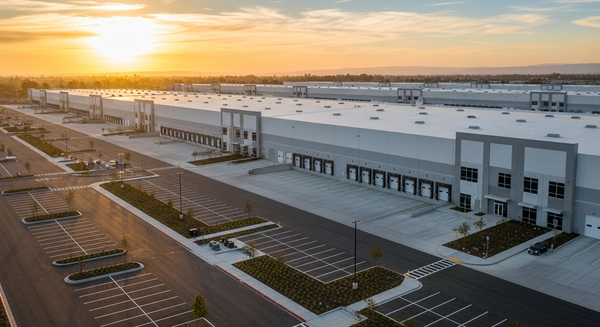
Q2 2026 gave San Diego industrial tenants more options and softer asking rents, but leverage still varies by building, size, and submarket.
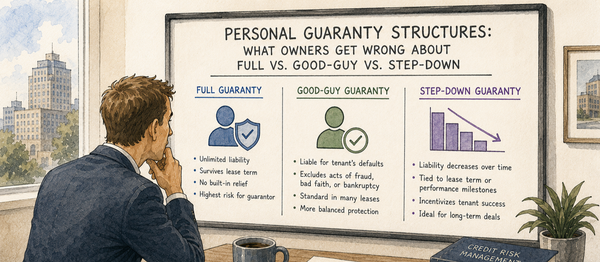
Most CRE owners ask for a full personal guaranty by default and accept whatever modification the tenant pushes back with. The structure matters more than whether you got one — and the wrong structure can leave you with less protection than no guaranty at all.
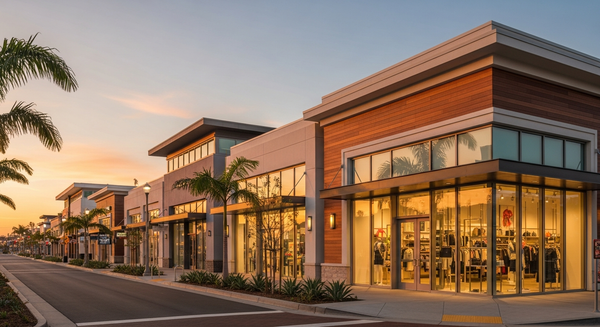
San Diego retail vacancy is 5.0% — among the tightest of any commercial asset class in the county. While office and industrial grab the headlines, retail has been quietly doing what good markets do: holding occupancy and maintaining rents. Here's what it means for tenants, investors, and landlords.
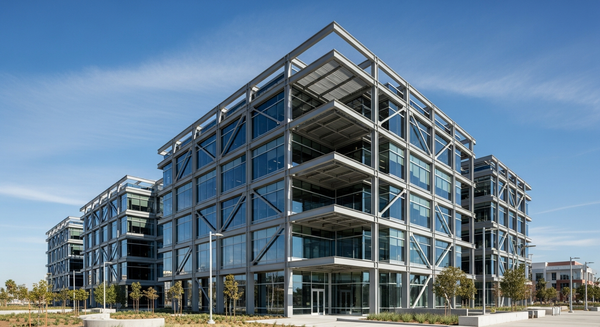
San Diego office vacancy is 14.3% — but rents are up 4.8% year-over-year and Q1 2026 posted the first positive absorption since Q4 2024. The headline looks bad. The direction doesn't. Here's what it means for tenants, investors, and landlords.
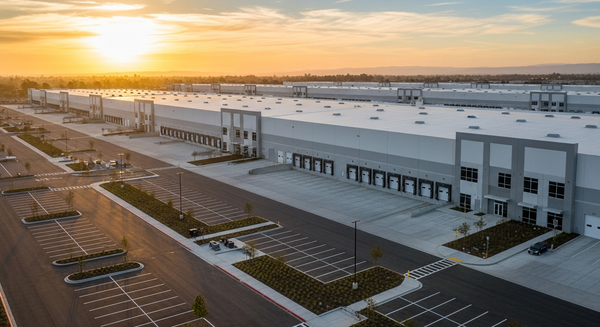
San Diego industrial demand reversed sharply in Q1 2026. Vacancy is rising, rents are down 4.6% year-over-year, and absorption went negative for the first time since 2023. Here's what it means if you're a tenant, investor, or landlord.
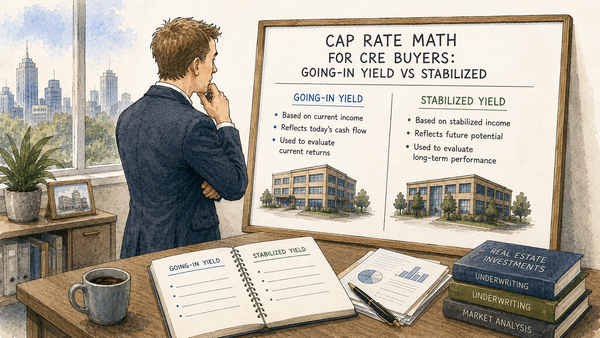
You found a listing. The broker says it's a 6.2 cap. But the building is 40% vacant and the rent roll includes the seller's own company paying below-market rent. Is it actually a 6.2 cap?

Most commercial tenants pay their annual CAM reconciliation invoice without ever auditing it — even though 90%+ of CRE leases give them the right to.
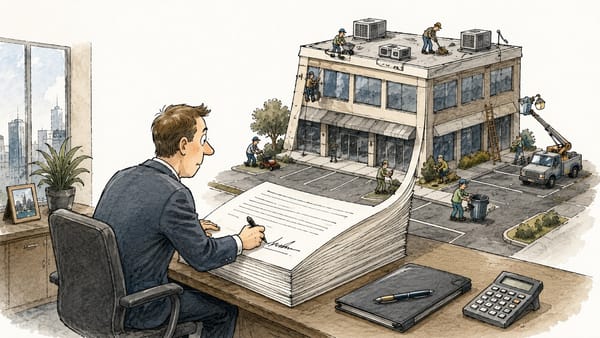
Most tenants negotiate base rent hard and sign whatever CAM language the landlord proposes. That's backwards. The CAM terms are where the real money is.
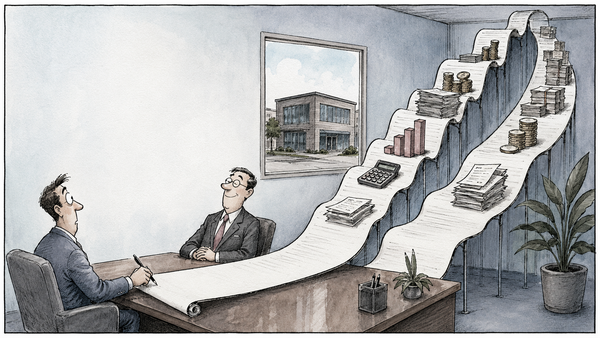
Most commercial tenants pay their annual CAM reconciliation invoice without ever auditing it — even though 90%+ of CRE leases give them the right to.

Tenants spend three weeks negotiating base rent and thirty seconds on the holdover clause. Here's where the real leverage lives — and how to use it.